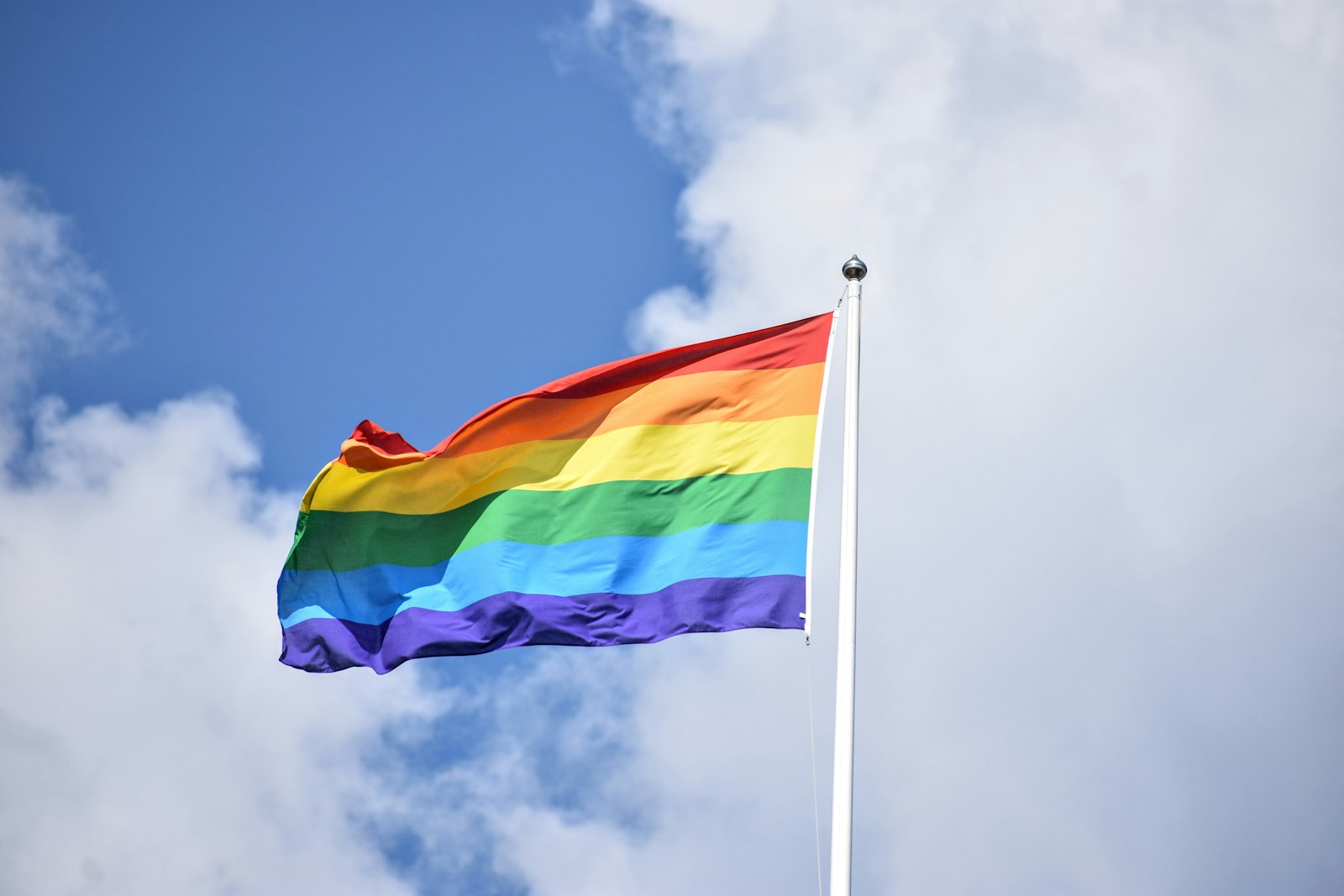
Every June, the flags come out and the message gets loud: be proud, be visible, celebrate. For a lot of people, that is exactly what Pride is, and it is good. For a lot of other people, Pride is more complicated than the marketing makes room for. There can be celebration and there can be grief, sometimes in the same afternoon.
If you have ever felt slightly off for not feeling purely celebratory in June, you are not doing Pride wrong. As a trauma therapist, I see this every year, and there is a name for a big part of what is underneath it. It is called minority stress, and understanding it tends to make the heaviness less confusing and less lonely.
What minority stress actually means
Minority stress is the idea that people from stigmatized groups carry an extra, ongoing layer of stress on top of the ordinary stress everyone deals with. It is not caused by who you are. It is caused by how the world has responded to who you are. The American Psychological Association and decades of research point to this same conclusion: the higher rates of anxiety and depression seen in LGBTQ+ communities are not a feature of being LGBTQ+. They are a predictable response to chronic stigma, rejection, and discrimination.
That distinction matters, so it is worth saying plainly. Being lesbian, gay, bisexual, transgender, queer, or any other identity under that umbrella is not a disorder, a wound, or something to be fixed. The thing that wears people down is the environment, not the identity.
Researchers describe minority stress as having a few layers:
- The external events. Discrimination, rejection, harassment, the loss of a relationship after coming out, watching your rights debated in the news.
- The expectation of those events. Scanning a new room to figure out whether it is safe, bracing before telling someone, deciding how much of yourself to show at work or at a family dinner.
- The messages that get internalized. Years of absorbing that something about you is wrong does not evaporate the moment your circumstances improve. It often becomes a quiet inner voice that takes real work to answer.
- Concealment. Hiding part of who you are is protective in some settings and genuinely exhausting over time.
None of these require a single dramatic event. Minority stress is usually made of small, repeated things. That is exactly why it is easy to dismiss and easy to underestimate.
Why Pride can bring up hard feelings too
A month built around visibility and joy can, paradoxically, surface the opposite. A few of the patterns I hear most:
- Grief for time or relationships. Pride can highlight the years spent hiding, or the people who are not in your life anymore because of who you love or who you are.
- Family distance. If your family is not accepting, the contrast between public celebration and a private silence at home can be sharp.
- Pressure to perform joy. Feeling like you are supposed to be celebrating, when you are actually tired or anxious, adds a second layer of stress on top of the first.
- A heavier news cycle. When your existence is a recurring political topic, June can mean more exposure to that, not less.
If Pride is uncomplicated joy for you, wonderful. If it is layered, that does not mean you are ungrateful or broken. It usually means you are honest about a complicated experience.
An added layer for bilingual and first-generation families
For Latinx, immigrant, and first-generation clients, minority stress often stacks. You may be navigating an identity that some of your family does not have comfortable language for, inside a culture that places enormous weight on family loyalty, religion, and el qué dirán (what people will say). The fear is not only about being rejected as an individual. It can feel like you are risking your place in the family, and sometimes in a whole community.
That double bind is real, and it is not a sign that anything is wrong with you. It is one of the reasons culturally grounded, bilingual support can matter so much here. Holding both your family and yourself is not a contradiction to be solved overnight. It is something many people learn to do with time and support. The companion piece on navigating therapy as a first-generation American goes deeper into that tension.
The exhaustion is not proof that something is wrong with you. It is proof that you have been carrying something heavy, often without much help.
What tends to help
There is no single fix for minority stress, because it is not a single problem. But there are things that consistently seem to lighten the load. None of these are guarantees, and none of them are about changing who you are.
Find the people who already get it
Chosen family is not a consolation prize. For many LGBTQ+ people, the relationships that hold them steadiest are the ones they built, not the ones they were born into. One or two people who fully accept you can change the whole weather of your life.
Curate your exposure
You do not owe every hostile comment your attention. Limiting time with media or accounts that turn your identity into a debate is not avoidance. It is the same basic self-protection anyone uses around a chronic stressor.
Name the inner voice as a visitor, not a verdict
Internalized messages tend to lose some of their grip once you can recognize them as messages you absorbed, rather than facts about you. That recognition is hard to do alone, which is part of what therapy is for.
Consider affirming support
When the weight is affecting your sleep, your mood, your relationships, or your sense of safety, talking with someone trained in this can help. Which brings up a question worth answering clearly.
What affirming therapy is, and is not
Affirming therapy means a therapist supports you as you are. Your identity is not the problem to be treated. What therapy can help with is the stress around it: the anxiety, the depression, the trauma, the family conflict, the grief, the internalized shame that minority stress can produce.
It is just as important to say what affirming therapy is not. It is never an attempt to change someone’s sexual orientation or gender identity. So-called conversion practices have been rejected as ineffective and harmful by every major medical and mental-health body, and Nevada law protects minors from them. A good therapist’s job is to help you carry your life with more steadiness, never to talk you out of who you are.
The encouraging part of the research is also worth holding onto. The Trevor Project has consistently found that LGBTQ+ young people who have at least one accepting adult, or access to affirming spaces, report meaningfully lower rates of suicide attempts. Acceptance is not a small thing. It is protective in measurable ways.
When it is worth reaching out
Minority stress is common, but suffering alone with it is not something you have to accept as normal. Some signs it may be worth talking to someone:
- Persistent low mood, anxiety, or a sense of hopelessness that is not lifting.
- Withdrawing from people or activities that used to matter to you.
- Using alcohol or other substances to get through the day.
- Sleep, appetite, or focus that has shifted significantly for more than a couple of weeks.
- Thoughts that you would be better off gone, or that you are a burden.
If you recognized that last one, please reach out now rather than later. Call or text 988, or contact the Trevor Project at 1-866-488-7386. You deserve support today, not eventually. The companion piece on how to start therapy may help if you are thinking about a first step.
If you are in Nevada or Utah
A free 15-minute consultation is a low-pressure way to ask questions and see whether working together feels right. Affirming, trauma-informed telehealth throughout Nevada and Utah. Se habla español.
Schedule a Free Consultation →Important notices
Not therapy. This article is educational and is not therapy, medical advice, or a substitute for a consultation with a licensed clinician. Reading it does not create a therapist-client relationship.
Affirming care. Healing Trauma Services provides affirming, identity-respecting care. We do not offer, endorse, or refer to any practice that attempts to change a person’s sexual orientation or gender identity.
Nevada and Utah practice. Liz Carrasco, LCSW provides telehealth services to adults physically located in Nevada or Utah at the time of service. Nevada license #7113-C · Utah license #14231694-3501.
If you or someone you know needs support right now
- 988 Suicide & Crisis Lifeline: call or text 988 (for LGBTQ+ support, press 3)
- The Trevor Project (LGBTQ+ youth): call 1-866-488-7386 · text START to 678-678
- Trans Lifeline: 1-877-565-8860
- Crisis Text Line: text HOME to 741741
- Emergency: call 911 if you or someone else is in immediate danger
Sources referenced in this article include the American Psychological Association’s LGBTQ+ resources and the Trevor Project’s research on LGBTQ+ mental health and protective factors.